
A dental emergency does not always need several appointments, but some problems require more than one visit to be fully treated. The number of visits depends on the cause, the severity of the damage, and whether the tooth can be repaired right away. A dentist in Abbotsford can examine the problem, help relieve pain, and explain whether treatment can be completed during the first appointment or needs a follow-up.
Some problems, like a loose filling or a small chip in a tooth, may be fixed in one visit. Other problems, such as a serious infection or a badly damaged tooth, may need quick care first and more treatment later. The goal is to alleviate the problem, save the tooth if possible, and prevent it from worsening.
What Happens During an Emergency Dental Visit?
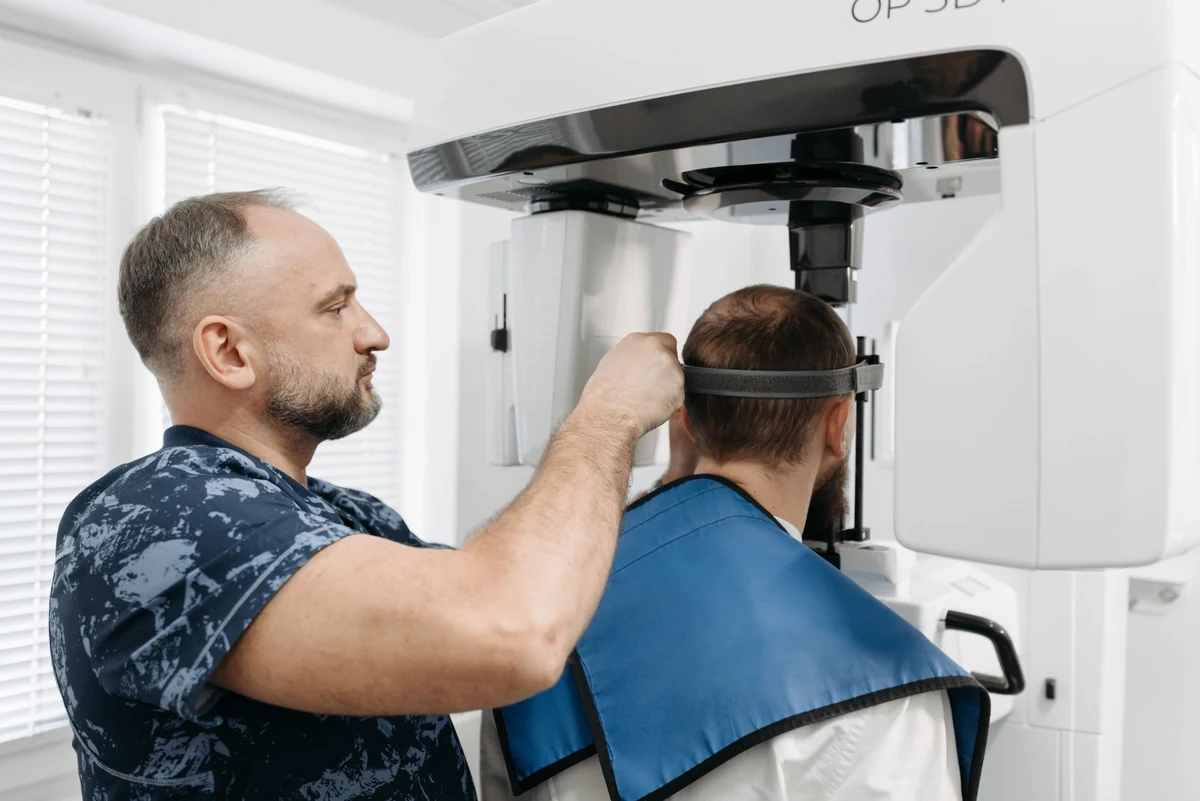
An emergency visit usually starts with questions about your symptoms and when the problem began. The teeth and gums are examined, and dental X-rays may be needed to assess the damage or detect an infection.
Treatment may include:
- Relieving pain and checking for signs of infection.
- Smoothing or repairing a chipped tooth.
- Replacing a lost filling or placing a temporary repair.
- Draining an abscess when appropriate.
- Planning further treatment if the problem cannot be fully fixed that day.
An emergency dentist in Abbotsford will explain the urgent treatment needed and whether another appointment is necessary.
Which Dental Emergencies Can Be Fixed in One Visit?
Some problems can be treated during the first appointment, depending on the damage and the time available.
- Lost filling or crown: A filling may be replaced, or a crown may be recemented if it is suitable and undamaged.
- Small chipped tooth: Minor damage may be smoothed or repaired with tooth-coloured material.
- Mild tooth pain: Treatment depends on the cause. A simple issue may be addressed quickly, while deeper decay may need more care.
- Loose dental restoration: The restoration may be repaired or replaced if the tooth underneath is healthy enough.
Even when symptoms improve after one visit, further treatment may be needed if the underlying problem remains. A dentist near you can explain what has been completed and what still needs attention.
Temporary vs Permanent Emergency Fix: What Is the Difference?
A temporary fix protects the tooth or reduces discomfort until complete treatment can be provided. A permanent repair aims to address the problem more fully, although some treatments still require multiple appointments.
Temporary treatment may include:
- A temporary filling to cover a damaged area.
- A protective covering for a broken tooth.
- Medicine or other urgent care to manage an infection when indicated.
More complete treatment may include:
- A permanent filling or crown.
- Root canal treatment to remove infected tissue inside a tooth.
- Tooth removal if the tooth cannot be saved.
The right plan depends on the tooth’s condition, the available treatment, and whether infection is present.
Will a Broken Tooth Be Repaired at the First Visit?
A broken tooth first visit may involve smoothing sharp edges, repairing a small chip, or covering the damaged tooth to protect it. A larger break may require a crown, root canal treatment, or removal if the damage is too severe.
Keep any broken pieces of the tooth if you can. Gently rinse your mouth and avoid chewing on the damaged side. Get urgent care if you have severe pain, swelling, or bleeding that will not stop. See a dentist soon, even if the broken tooth does not hurt.
Does a Dental Abscess Need Follow-Up Visits?
A dental abscess is a pocket of infection that can cause pain, swelling, and sometimes fever. Treatment may require draining the infection and addressing its source, such as through root canal treatment or tooth removal. Antibiotics may be needed in some cases, but they do not replace treatment of the source.
The number of visits needed to treat a dental abscess depends on the infection and the affected tooth. Follow-up visits may be needed to finish treatment and check healing. Swelling in the face or neck, trouble swallowing, or difficulty breathing needs urgent medical help.
How Can You Prepare for an Emergency Dental Appointment?
For an emergency dental appointment in Abbotsford, share when the symptoms began, any medications you take, any allergies, and any relevant health conditions. Bring a broken crown or filling if you have it, and explain whether the pain changes when eating or drinking.
Follow the care instructions and attend any recommended follow-up. Do not delay care because the pain has eased; some dental problems can continue even when symptoms temporarily improve.
Get Timely Care for a Dental Emergency!
Sudden tooth pain or damage can affect your daily life and leave you unsure what to do. Seeing a dentist soon can help find the cause and protect your tooth. Contact Mayfair Dental to have your tooth checked and learn about your treatment options. A clear plan can help you understand what to expect and how to care for your teeth.
FAQs
Will I need a second visit after a root canal?
Often, yes. A tooth may need a permanent filling or crown after root canal treatment to protect it from further damage.
Does a temporary filling solve the problem permanently?
Not always. It may protect the tooth for a short time, but the tooth may still need a permanent filling or another treatment.
Should a broken tooth be treated if there is no pain?
Yes. A break can expose or weaken the inner parts of the tooth even without immediate pain. Prompt assessment helps determine the right care.
When should a dental emergency be treated right away?
Severe tooth pain, face swelling, a knocked-out adult tooth, or bleeding that will not stop need urgent dental care. If you have trouble breathing or swallowing, get emergency medical help right away.